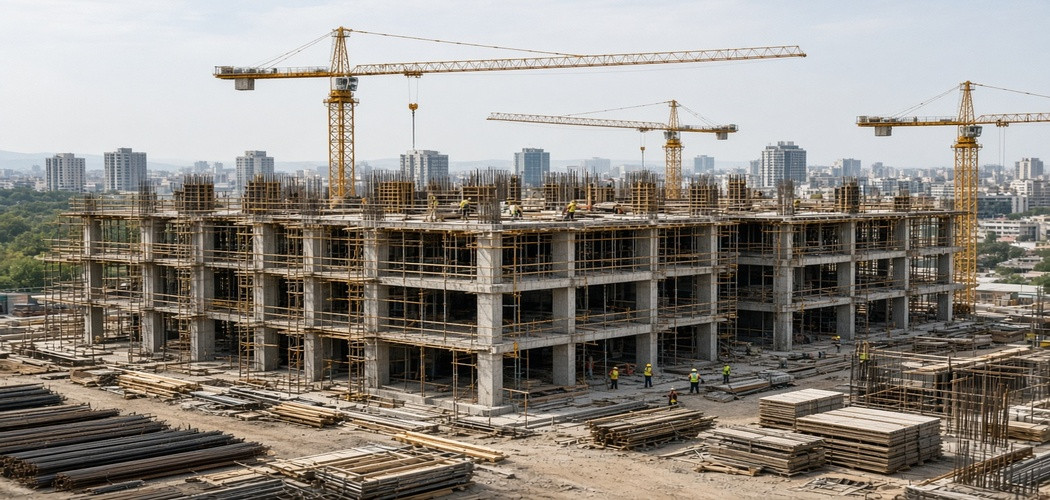
Zero Harm, Maximum Output: Cultivating a Safety-First Culture on Large-Scale Construction Sites
1. Proactive Hazard Identification and Digital Safety Tracking
Gone are the days when safety was merely a reaction to an incident. Modern job sites utilize wearable technology, IoT sensors, and mobile safety applications to monitor site conditions in real time. Supervisors can instantly log hazards, track equipment blind spots, and enforce exclusion zones around heavy machinery. This proactive approach catches risks before they manifest into accidents, drastically lowering incident rates on complex multi-acre sites.
2. Continuous Crew Engagement and Training
Technology is only as effective as the people using it. Cultivating a "zero-harm" environment requires continuous communication, daily toolbox talks, and empowerment at every level of the crew. When workers feel fully authorized to halt work if an unsafe condition arises, safety becomes a shared core value rather than a top-down mandate.
3. Minimizing Delays Through Rigorous Safety Standards
Safety mishaps create devastating human costs, but they also result in costly project shutdowns, legal investigations, and reputational damage. By embedding rigorous safety audits and ergonomic reviews into daily workflows, construction firms prevent these disruptions. A safe site is, by definition, an organized and efficient site.
Building Trust from the Ground Up
Ultimately, a construction company's legacy is measured not just by the bridges and buildings it leaves behind, but by the people who built them returning home safely every single day. Prioritizing a culture of care ensures enduring success for both the workforce and the communities they serve.