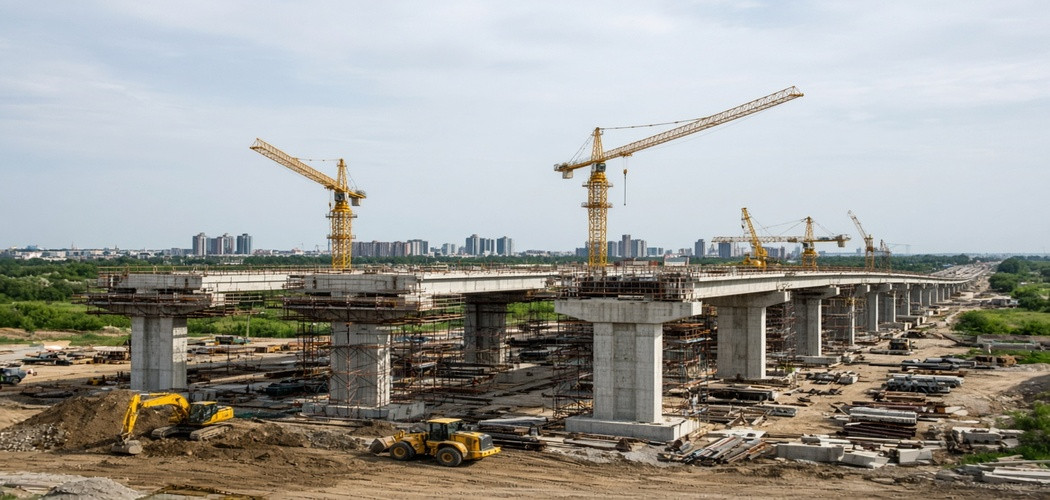
Paving the Way: How Advanced Geotechnical Engineering Solves Complex Foundation Challenges
1. Understanding the Subsurface Dynamics
Before any heavy machinery or structural framework can be deployed, comprehensive site characterization is mandatory. Modern civil firms utilize high-resolution soil testing, seismic refraction, and advanced bore-hole logging to map subsurface profiles accurately. Understanding variables like water table levels, bedrock depth, and soil compaction rates ensures that structural loads are distributed safely, preventing catastrophic settlement issues down the road.
2. Innovative Soil Stabilization and Ground Modification
When a site presents poor soil quality, abandoning the location is rarely an option. Instead, modern construction utilizes innovative ground improvement techniques such as deep soil mixing, vibro-replacement stone columns, and injection grouting. These methods chemically or mechanically alter the native soil, dramatically increasing its load-bearing capacity and transforming unstable ground into a rock-solid foundation for future infrastructure.
3. Minimizing Environmental Disturbance
Geotechnical advancements are also aligning with eco-friendly construction standards. By reinforcing natural soils and utilizing low-impact piling techniques, engineers minimize the need for massive earth-moving operations that disrupt local ecosystems. This targeted approach protects surrounding habitats while reducing project timelines and fuel consumption.
Building on a Solid Legacy
Ultimately, the success of any visible marvel of civil engineering depends on the invisible mastery of the ground beneath it. By prioritizing rigorous subsurface analysis and innovative stabilization methods, construction companies ensure that our roads, bridges, and buildings stand resilient against the test of time, weather, and heavy traffic load.